Independent health news, tests and supplement reviews.
The Memory Wave Review (2026): What's Real, What's Oversold, and What You Actually Get
By Elena Rostova·Holistic nutritionist·Updated September 26, 2026·9 min read
Affiliate disclosure: we may earn a commission if you buy through links on this page, at no extra cost to you. It never changes what we write, and we do not sell this product ourselves. Read the full disclosure.
Quick Answer
The Memory Wave is not a supplement. There is nothing to swallow. It's a digital audio file — roughly twelve minutes of engineered sound at around 40 Hz — that you download for about $39 and listen to daily through headphones. If you search for it you will find articles calling it a scam, so let's deal with that directly: the underlying science is real, the product is real and does get delivered, and the marketing around it is considerably bigger than the evidence. Gamma-frequency stimulation at 40 Hz is a genuine and active area of neuroscience research, including work at major institutions. What has not been shown is that this particular MP3 produces those effects in you. At $39 with a money-back guarantee, that's a small bet on an interesting idea — which is roughly the honest description of it.
Score: 3.2 out of 5.
3.2/5
Our Rating
Real underlying science, a real product that arrives, and marketing that outruns both. Cheap enough to be a reasonable curiosity; not something to pin hopes on.
Good fit for you if
You'd rather not add another capsule to what you already take.
You're curious about brainwave entrainment and want a low-cost way to try it.
Twelve minutes of quiet daily listening sounds pleasant regardless of the effect.
You can treat $39 as spent money if nothing happens.
Skip it if
You have epilepsy or any seizure disorder. Rhythmic audio stimulation is a genuine caution — speak to your doctor first.
Your memory changes are noticeable to family, getting worse, or affecting daily tasks. That's a doctor's appointment, not an MP3.
You need evidence that a specific product works, not that a field of research exists.
You won't use headphones. It does nothing through a speaker.
$39 one-time. The lowest-risk thing in this entire category.
Nothing ingested, so no interactions with medication, no side effects to weigh.
The underlying 40 Hz gamma research is real and genuinely interesting.
Twelve minutes of quiet listening is a pleasant habit whether or not the mechanism works.
Money-back guarantee through ClickBank, which handles refunds.
Cons
No independent clinical trial of this product. The research is on the concept, not the file.
The creator's credentials cannot be verified in public professional directories.
Marketing claims stretch well past what entrainment research supports.
Not suitable for people with seizure disorders without medical clearance.
What Is The Memory Wave?
You pay around $39, you download some files, and one of them is an audio track of about twelve minutes. You put headphones on and listen to it once a day. That's the entire product.
The idea behind it is called brainwave entrainment, and it's worth understanding because it's the part that's actually real. Your brain produces electrical activity at different frequencies depending on what you're doing — slow waves in deep sleep, faster ones when you're alert. Gamma waves are the fastest band, roughly 30 to 100 Hz, and they're associated with attention, memory and the brain's ability to bind information from different regions into a single coherent thought.
Here's the genuinely interesting part. Over the past decade there has been serious research at major institutions into stimulating the brain at 40 Hz specifically — through light, through sound, or both — and looking at what happens to markers associated with cognitive health. That work is real, it's published, and it's ongoing. It's not fringe.
And here is the gap you need to hold in your head while you decide. That research is about a method. This product is a $39 MP3. Nobody has run a controlled trial on this specific file and shown that it does what the laboratory work does. The seller is borrowing the credibility of a genuine research field and applying it to a product that has not been tested.
That's not the same as fraud. But it's the difference between "this is based on real science" and "this is proven to work," and the sales page blurs it deliberately.
About The Scam Accusations
If you search this product you will hit articles calling it a scam, so let's address them properly rather than pretending they aren't there.
What appears to be accurate in the criticism: the marketing is inflated. Claims about NASA origins, extraordinary cognitive transformation and dramatic results appear in promotional material and are not supported by anything published. The creator's credentials are not independently verifiable in public professional directories, which is a legitimate concern and one we'd weigh. And some of the sales copy for this class of product drifts into territory — wealth, life transformation — that has nothing to do with memory at all.
What appears to be inaccurate in the criticism: claims that buyers receive nothing. Purchases run through ClickBank, a long-established US payment processor with a documented refund process. Buyers report receiving the files. Whatever else is true, this is not a product that takes your money and vanishes.
Our reading: this is not a scam in the sense of theft. It is an oversold product built on a real idea. Those are different things, and the distinction matters when you're deciding whether $39 is worth risking.
One more thing worth knowing: several near-identical domain names sell this product, and lookalike sites exist. Buy through the seller's own page if you buy at all, and check that your refund path runs through ClickBank.
What we checked
What we did: traced the 40 Hz gamma claims back to the published research to see what it actually demonstrates and what it doesn't. Looked for any independent trial of this specific product — there isn't one. Attempted to verify the creator's stated credentials in public professional directories. Read the refund terms and confirmed the processor. Reviewed both the promotional material and the scam-warning coverage, and weighed each.
What we did not do: run a trial, or present a personal transformation story.
Where we landed: real science, unproven product, honest price, inflated claims.
What buyers actually report
Positive themes: relaxation is by far the most common. People describe the twelve minutes as calming, and several describe better focus afterwards. Some report sleeping better when they listen in the evening. Worth being clear-eyed about this: sitting still with headphones on for twelve minutes a day is a meditation habit, and meditation habits reliably produce exactly these effects on their own. That doesn't make the benefit fake. It does mean the audio may not be the active ingredient.
Negative themes: a large share report nothing. Several describe the track itself as an odd or slightly unpleasant listening experience. And a recurring complaint about the upsell sequence after purchase — additional products offered immediately at checkout.
The fair conclusion: a pleasant daily quiet habit that some people find genuinely useful, with no way to tell whether the frequencies or the sitting still are doing the work.
How To Use It
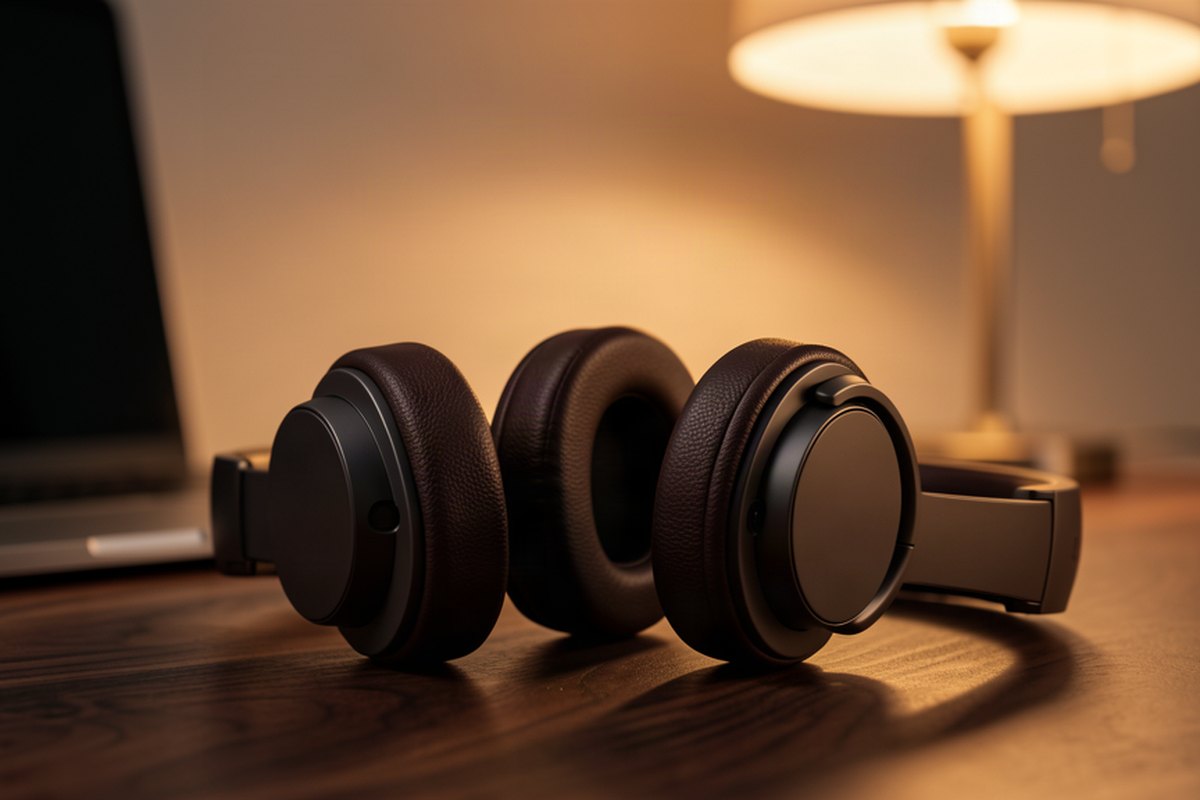
Headphones, not speakers. This is not optional — the entrainment concept depends on controlled delivery to both ears and it does nothing playing across a room.
Same time daily, twelve minutes, somewhere you won't be interrupted. Eyes closed. Don't multitask through it, and do not listen while driving.
Give it thirty days before deciding. And track something — three names you try to recall, or a short recall task each morning. Memory is the single least reliable thing to self-assess, because you notice the failures and never notice the successes. Without a written record you'll be judging entirely on mood.
If you have epilepsy or any seizure disorder, talk to your doctor before using this. Rhythmic sensory stimulation is a recognised caution and it's the one genuine safety issue with an audio product.
Who Should Buy It
Buy it if you're curious, you'd rather not add another pill, and $39 is money you can shrug at. That's the honest case — it's an inexpensive experiment on an interesting idea.
Don't buy it if you have a seizure disorder without clearing it first. Don't buy it if your memory changes are noticeable to the people around you, worsening, or affecting daily tasks — that genuinely needs a doctor, and there are treatable causes of memory change including thyroid problems, B12 deficiency, medication side effects and sleep apnoea. And don't buy it hoping it prevents dementia. Nothing here has been shown to do that.
Price, Guarantee, Where To Buy
Around $39, one-time, sold through the maker's site with ClickBank processing. No subscription. Expect an upsell sequence immediately after purchase — decline what you don't want.
There's a money-back guarantee. Sources report different windows — some say 60 days, some 90 — so confirm the exact term on the checkout page before you buy, and screenshot it. Refunds are handled by ClickBank, which is the reliable part of this transaction.
Buy through the seller's own page. Multiple lookalike domains sell this product and a refund path that doesn't run through ClickBank is a refund path you don't want.
The maker's own website. Money-back guarantee through ClickBank — check the current window at checkout.
The maker's own website. Money-back guarantee through ClickBank — check the current window at checkout.
Final verdict
3.2/5
Final Verdict
The Memory Wave sits in an unusual place. The science it points at is real and genuinely interesting — 40 Hz gamma stimulation is a live research area, not invented marketing. The product itself is real and arrives. And the claims wrapped around it are considerably larger than anything that has been demonstrated about this specific file. At $39, that combination is survivable. It's the cheapest thing in this category by a wide margin, there's nothing to interact with your medication, and twelve quiet minutes a day is a habit worth having on its own terms. Just go in knowing you're buying an interesting idea rather than a proven result — and if your memory concerns are real and growing, see a doctor first. That's the advice that's actually worth something.
Buy it if you're curious, want no pills, and can treat $39 as spent.
We don't sell it — this is the maker's own site, where the download and the guarantee live.
Frequently asked questions
Is The Memory Wave a scam?
Not in the sense of taking money and delivering nothing — it's processed through ClickBank and buyers receive the files. It is oversold. Those are different criticisms and we'd take the second one seriously.
Is it a pill or a supplement?
No. It's a digital audio download. There is nothing to swallow.
Do I need headphones?
Yes, essential. The concept depends on it and it does nothing through speakers.
What is 40 Hz gamma stimulation?
A real and active research area looking at stimulating brain activity in the gamma band, associated with attention and memory. The research is about the method — it has not been run on this product.
Who created it?
It's attributed to a named researcher. We could not verify those credentials in public professional directories, and we think you should know that.
Is it safe?
For most people, yes — it's sound. The exception is anyone with epilepsy or a seizure disorder, who should speak to a doctor first. Never listen while driving.
How long before I'd know?
Thirty days of daily use. Track something written down, because memory is the worst thing to self-assess.
What's the guarantee?
Money-back through ClickBank. Reported windows differ between sources — confirm at checkout and screenshot the terms.
Will it prevent dementia?
No. Nothing here has been shown to do that, and you should be sceptical of anything suggesting otherwise.
Do I get anything besides the audio?
Bonus digital guides, per the seller. The audio is the product.
Why are there so many websites selling it?
Multiple lookalike domains exist. Buy through the seller's own page and make sure your refund runs through ClickBank.
When should I see a doctor instead?
If memory changes are noticeable to family, getting worse, or affecting daily tasks. Several causes of memory change are treatable — thyroid problems, B12 deficiency, medication effects, sleep apnoea. Finding that out is worth more than any product.
Affiliate disclosure: If you buy through the links on this page we may earn a commission, at no extra cost to you. This never changes what we write, and we do not sell this product. Read the full disclosure.
This review is for information only and is not medical advice. Do not use rhythmic audio stimulation if you have epilepsy or a seizure disorder without speaking to your doctor. Never listen while driving or operating machinery. Memory changes that are progressive, noticeable to others, or affecting daily activities should be assessed by a doctor — several causes are treatable. This product is not intended to diagnose, treat, cure or prevent any disease.