Independent health news, tests and supplement reviews.
Nerve Armor Review (2026): A Short Label, and What the Research Says
By Arthur Vance·Retired physical therapist·Updated September 26, 2026·10 min read
Affiliate disclosure: we may earn a commission if you buy through links on this page, at no extra cost to you. It never changes what we write, and we do not sell this product ourselves. Read the full disclosure.
Read this first
Before anything else. Burning, tingling or numbness in your hands and feet is a symptom, not a condition. It is most often caused by something underlying — diabetes is the single most common cause, and B12 deficiency, thyroid problems and nerve compression are others. Several of those are treatable, and some get worse if they're left. If you have not had this properly investigated by a doctor, do that before you buy any supplement, including this one. No product on this page is a substitute for finding out what's actually causing it.
Quick Answer
Nerve Armor is a five-ingredient nerve-support supplement, and it has the most defensible ingredient list of anything we've reviewed in this category. Palmitoylethanolamide (PEA), alpha-lipoic acid and benfotiamine all have genuine human research behind them for nerve discomfort — alpha-lipoic acid in particular has been studied in diabetic neuropathy for decades and is prescribed for it in some countries. The brand also publishes the PEA dose at 450 mg per serving, which is more transparency than almost anyone in this space offers. What it will not do is fix whatever is causing your nerve symptoms, and if you haven't had that investigated, that comes first.
Score: 4.1 out of 5.
4.1/5
Our Rating
A short, serious ingredient list with real human research behind three of five components and a published lead dose — the strongest formula in this category we've assessed.
Good fit for you if
You've had your neuropathy properly investigated and you're managing the underlying cause.
You want ingredients with actual human trial data rather than a botanical blend.
Burning or tingling at night is wrecking your sleep.
You want nutritional support alongside, not instead of, whatever your doctor has you on.
Skip it if
You haven't seen a doctor about these symptoms yet. Do that first — this is the most important line on this page.
You're hoping to replace prescribed medication. Never stop or reduce a prescription on your own.
Your symptoms are worsening rapidly, spreading, or came with weakness. That needs urgent medical attention, not a supplement.
You expect this to reverse established nerve damage.
We don't sell Nerve Armor. This link goes to the manufacturer's own website — that's where the 60-day money-back guarantee applies and where the multi-bottle pricing lives.
Nerve Armor at a glance
Product
Nerve Armor (nerve support supplement)
Format
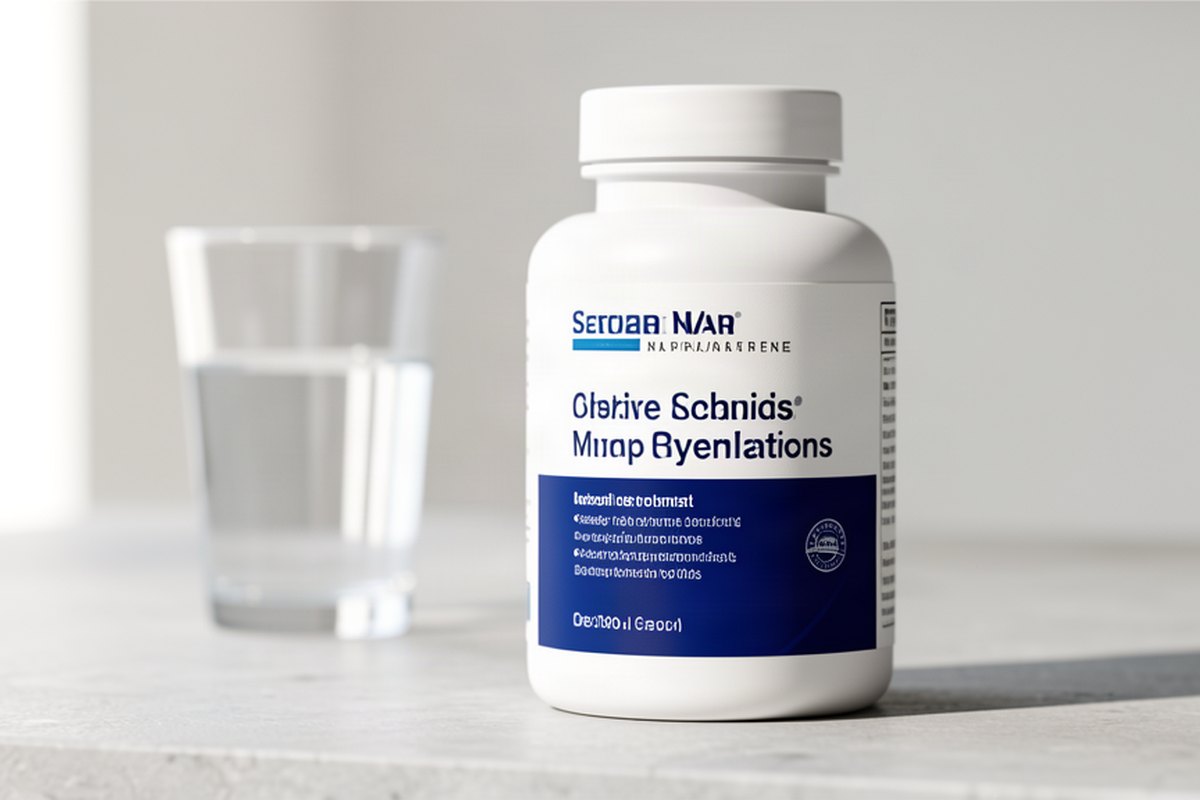
Vegetarian capsules — 60 per bottle, two per serving, 30 servings
Five ingredients
Palmitoylethanolamide (PEA), alpha-lipoic acid, benfotiamine, corydalis, gotu kola
Lead dose
PEA at 450 mg per serving — published, not hidden
Best-evidenced components
PEA, alpha-lipoic acid, benfotiamine
What it does not do
It does not treat, cure or reverse neuropathy, and it does not address the underlying cause
Five ingredients, not thirty. A focused formula is a serious formula.
PEA, alpha-lipoic acid and benfotiamine all have real human research for nerve discomfort.
The PEA dose is published at 450 mg — genuine transparency, and rare.
Vegetarian capsules, no stimulants, non-habit-forming.
60-day guarantee.
Cons
Corydalis and gotu kola have far thinner evidence than the other three.
Three months is the realistic assessment window, and one bottle is one month.
Checkout upsell sequence is reported as pushy.
It addresses symptoms, not causes — and with neuropathy, the cause is what matters most.
What Is Nerve Armor?
Nerve Armor is a capsule built around five ingredients, taken two a day. What makes it unusual in a market full of thirty-item labels is restraint: five ingredients, one of them dosed publicly.
The mechanism it aims at is nutritional support for nerve tissue — antioxidant protection for the nerve cells themselves, support for the myelin sheath that insulates them, and modulation of the inflammatory signalling that makes damaged nerves fire pain signals they shouldn't.
That's a legitimate target. Here's the honest framing around it.
Peripheral neuropathy — the burning, tingling, numb feeling in hands and feet — happens when the small nerves furthest from your spine stop working properly. Most commonly that's because of prolonged high blood sugar, which is why diabetes is the leading cause by a distance. It can also be B12 deficiency, thyroid dysfunction, alcohol, certain medications, or nerve compression.
Which means the single most useful thing any supplement can do in this situation is support the nerve environment while the actual cause is being addressed. If your blood sugar is uncontrolled, nothing in this bottle will outrun that. If you're B12 deficient, the treatment is B12, not a blend. And if your symptoms are getting worse quickly, spreading upward, or coming with muscle weakness, that is a doctor's appointment this week, not a supplement order.
We're spending this much space on it because this is the one category where the supplement question genuinely shouldn't come first.
What Is Actually In It
Palmitoylethanolamide (PEA) — 450 mg, the lead
The most interesting ingredient on this page. PEA is a fatty acid amide your own body produces, and it's been studied in human trials for neuropathic and chronic pain with a research base that is genuinely respectable — published work spanning thousands of patients across multiple trials. It works through the endocannabinoid system and by calming overactive glial cells, which are part of why damaged nerves keep firing.
It's also expensive, which is why most nerve supplements either leave it out or include a token amount. 450 mg is a real dose in the range that has been studied. This is the single best reason to consider this product over its competitors.
Alpha-lipoic acid
An antioxidant with one of the longest research histories in diabetic neuropathy specifically — studied for decades, and available on prescription for nerve symptoms in some European countries. Solid, established, and exactly what you'd want to see here. Note: it can affect blood sugar, so if you're diabetic, mention it to your doctor.
Benfotiamine
A fat-soluble form of vitamin B1 that absorbs far better than standard thiamine. Studied specifically for diabetic neuropathy, with a sensible mechanism around the metabolic damage pathways driven by high blood sugar. Another well-chosen inclusion.
Corydalis
A traditional Chinese herb used for pain. There is some research interest, largely preclinical. Plausible, much less established than the three above.
Gotu kola (Centella asiatica)
Traditionally used for circulation and tissue repair, with research mostly around wound healing and microcirculation. Reasonable, thin for this specific purpose.
Our honest read: three genuinely well-evidenced nerve ingredients at the front, two traditional ones at the back. That is a better formula than the overwhelming majority of what's sold for nerve support, and the published PEA dose is a real mark of good faith.
What we checked
What we did: checked each ingredient against human research specifically for nerve outcomes, not general wellness — PEA, alpha-lipoic acid and benfotiamine all clear that bar, and we noted clearly where the other two don't. Verified the published serving information. Checked what the brand claims versus what it's careful not to claim. Read the refund terms. Pulled buyer feedback from independent platforms and open forums.
What we did not do: run a trial, or present a personal recovery story. We are also not making any claim about neuropathy being treatable with a supplement, because it isn't.
Where we landed: the best-built formula in this category we've assessed, with a safety context that matters more than the formula does.
What buyers actually report
The most consistent positive theme is night-time. People describe the burning being less intense in bed, and sleeping through more often. That's a modest claim and it's the one that comes up most — which is also the one that matters most, because night burning is what breaks people.
Second theme is timeline: reports of benefit cluster between weeks six and twelve, rarely earlier. The people who describe the clearest results are consistently the ones who kept going past the first month.
Negative themes: a real share report no change. That's expected, and it's worth understanding why — outcomes depend enormously on what's causing the neuropathy and how long it's been present. Established nerve damage doesn't reverse, and a supplement isn't going to change that. Price comes up. And the checkout upsell sequence draws consistent complaint — know it's coming so you can decline it without friction.
The fair conclusion: modest, real for a meaningful share, most reliably around night-time comfort, and heavily dependent on the underlying cause being managed.
How To Take It
Two capsules daily, with food. The benfotiamine is fat-soluble and absorbs better with a meal, and PEA is better tolerated that way too.
Eight weeks minimum, twelve to be fair. One bottle is thirty days, so a single bottle is an incomplete test.
Track it, and track it specifically. A 1-to-10 on burning at night, written down before bed. Neuropathy symptoms fluctuate a great deal day to day, and without a record you'll judge the whole thing by whichever night was worst.
And keep doing whatever your doctor has you doing. This sits alongside blood sugar management, B12 correction, or prescribed medication. It does not replace any of it.
Who Should Buy It
Buy it if you've had your symptoms investigated, you know what's causing them, you're managing that cause, and you want nutritional support with real evidence behind it on top. That's the situation this product is genuinely good for.
Don't buy it if you haven't seen a doctor about these symptoms — that is the first step and no supplement changes it. Don't buy it as a replacement for prescribed medication. And if your symptoms are spreading, worsening quickly, or accompanied by weakness, close this page and call your doctor. That combination needs assessment, not a purchase.
Price, Guarantee, Where To Buy
Sold through the manufacturer's site only. Standard tiers — single bottle highest per bottle, three- and six-bottle bundles lower, usually with free US shipping on the larger ones. Check current pricing on the site.
The math: one bottle is one month, and the honest assessment window is three. A single bottle buys an inconclusive test at the worst unit price. The three-bottle tier is the minimum that answers the question.
60-day money-back guarantee. Note the tension — the guarantee is 60 days and the fair assessment window is closer to 90. Decide by day 45 if you're on the fence, and if you're genuinely unsure, request the refund rather than letting the window pass. You can always buy again.
Expect an upsell sequence at checkout. Decline what you don't want and check the order summary before confirming.
Of everything we've assessed in the nerve and joint space, Nerve Armor has the most defensible label. PEA at 450 mg is a genuine dose of a genuinely researched compound, and alpha-lipoic acid and benfotiamine are the two ingredients any informed person would pick for nerve support if they were building this themselves. Five ingredients instead of thirty is a sign of a formula designed rather than assembled. None of that changes the most important thing on this page: neuropathy is a symptom of something, and finding out what is more valuable than anything in this bottle. If you've done that and you're managing it, this is a reasonable and well-chosen addition. If you haven't, start there.
Buy it if your neuropathy is investigated and managed, and you want well-evidenced nutritional support alongside it.
We don't sell it — this is the manufacturer's own site, where the 60-day guarantee and the multi-bottle pricing live.
Frequently asked questions
Is Nerve Armor legit?
Yes. Real product, real company, GMP manufacturing, published serving information and a genuine refund policy. The formula is better than most in this category.
Can it cure neuropathy?
No. No supplement cures neuropathy, and any page claiming otherwise is not being honest with you. It offers nutritional support for the nerve environment.
What is PEA?
Palmitoylethanolamide — a fatty acid amide your body makes naturally, studied in human trials for nerve and chronic pain. It's the lead ingredient here at 450 mg per serving, which is a real dose.
Should I stop my gabapentin or pregabalin?
No. Never stop or reduce prescribed medication without your doctor. This is designed to sit alongside, not replace.
Can I take it if I'm diabetic?
Tell your doctor. Alpha-lipoic acid can affect blood sugar, which may matter for your medication dosing. And keep managing your blood sugar — that's doing more for your nerves than anything in this bottle.
How long until I'd know?
Eight to twelve weeks. Reports of benefit cluster after week six.
Are there side effects?
Most report none. Mild digestive upset in the first week comes up occasionally; taking it with food usually settles it.
How many capsules?
Two a day, one serving. 60 capsules per bottle is 30 days.
Will it reverse nerve damage?
Established nerve damage does not reverse. What can improve is comfort and function while the underlying cause is managed. That's the realistic expectation.
When should I see a doctor instead of buying this?
If you haven't had these symptoms investigated at all; if they're spreading or worsening quickly; if there's muscle weakness; or if you have any wound or sore on a numb foot. That last one is urgent.
Is it on Amazon?
Sold through the manufacturer's site. Marketplace listings won't carry the guarantee.
What's the guarantee?
60 days, money back. Decide by day 45.
Is it a subscription?
The tiers are one-time purchases. There is an upsell sequence at checkout — decline and verify your order summary.
Affiliate disclosure: If you buy through the links on this page we may earn a commission, at no extra cost to you. This never changes what we write, and we do not sell this product. Read the full disclosure.
This review is for information only and is not medical advice. Peripheral neuropathy is frequently a symptom of an underlying condition such as diabetes or B12 deficiency, several of which are treatable and some of which worsen without attention. Have your symptoms assessed by a doctor. Never stop, reduce or replace prescribed medication without professional guidance. Seek medical attention promptly if symptoms spread or worsen, if you develop weakness, or if you find any wound or sore on an area with reduced sensation. These statements have not been evaluated by the Food and Drug Administration. This product is not intended to diagnose, treat, cure or prevent any disease.